

BE THE Architects of a stronger Global Europe
EVERY MASTERPIECE STARTS WITH A BOLD VISION
To keep the EU a credible, influential and reliable global actor, we need three things:
1. Defend the Global Europe Instrument (GEI) to ensure predictable long-term development funding
Safeguard the GEI’s proposed €200 billion budget.
Increase the Official Development Assistance (ODA) target to 93%.
2. Set clear targets and prioritise sub-Saharan Africa
Guarantee that at least 20% of ODA funded under the GEI is dedicated to human development.
Ensure that 35% of the GEI is dedicated to climate and 15% to biodiversity.
Establish a minimum funding amount for sub-Saharan Africa.
3. Prioritise investments in global public goods
Set a minimum, fixed allocation for the Global Pillar.
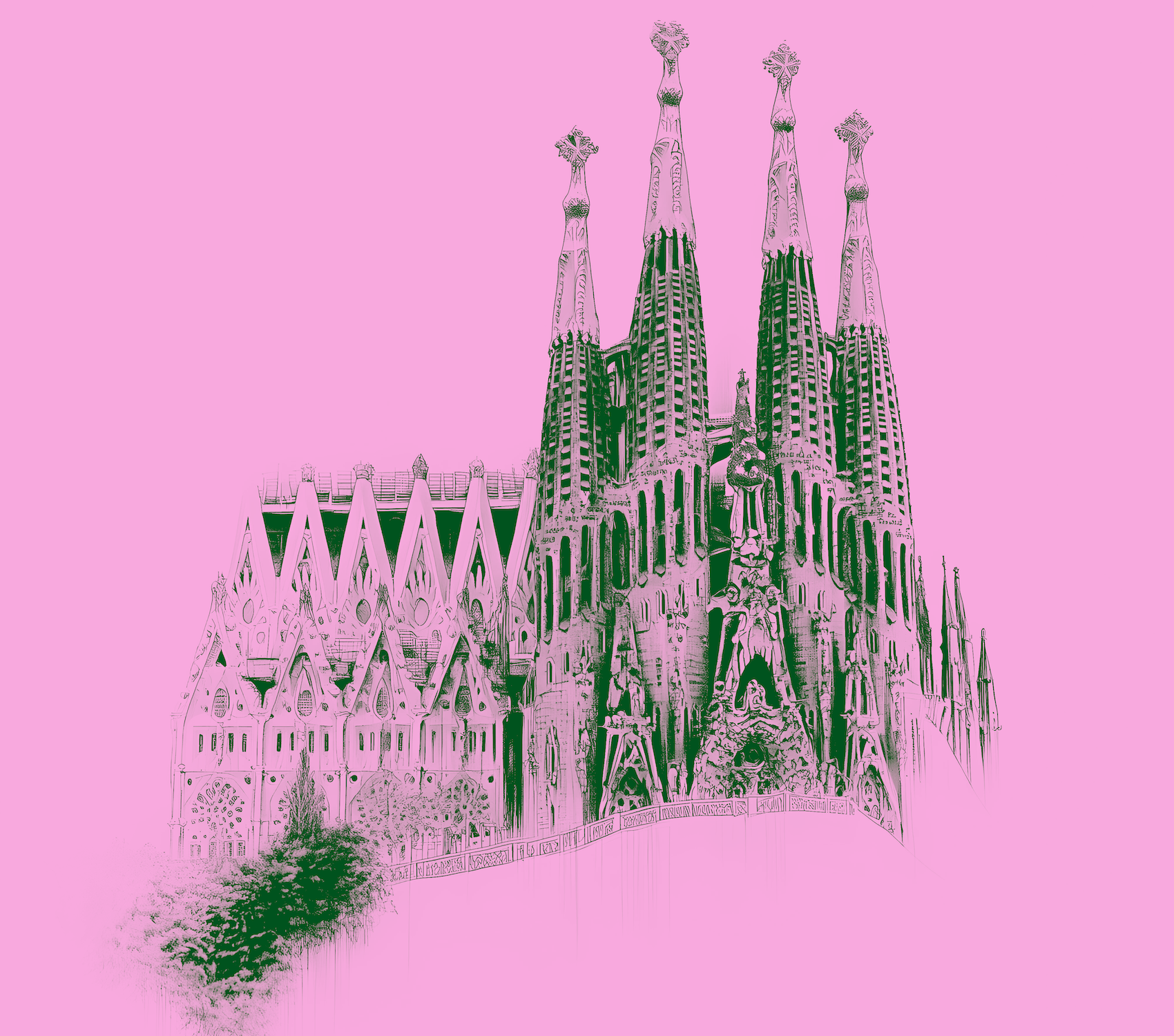
“Masterpieces like the Eiffel Tower, Sagrada Familia, and Charles Bridge could not have been built without bold visions and long-term investments. Europe needs a strong Global Europe budget to maintain its prosperity, resilience and influence in the world.”
The EU is negotiating its next 7 year budget, locking in spending and priorities for almost a decade. The positions shaped now will determine whether the EU has the resources needed to strengthen our international partnerships, our strategic interests and respond to growing global challenges affecting us all. External action through the Global Europe Instrument (GEI) - the EU's main instrument for international partnerships, development cooperation and humanitarian assistance - must be treated as a strategic priority.
Africa will be central to addressing many of the challenges and opportunities facing Europe in the coming decades. By 2050, one in four people globally will be African, while the continent holds 60% of the world's best solar potential and many of the critical minerals needed for the green transition. Strengthening the EU’s investments in Africa is therefore not only good development policy - it's essential to Europe's strategic autonomy and resilience.
Human development investments in health, education and social protection deliver some of the highest returns in development policy. Better health could contribute an estimated US$12 trillion to global GDP by 2040, while every additional year of schooling is associated with roughly a 10% increase in earnings. A dedicated spending target would help safeguard these high-impact investments.

Climate and biodiversity investments are essential to Europe's resilience and credibility. The climate crisis is increasingly driving instability, food insecurity and displacement, while every euro invested in climate adaptation generates more than ten euros in benefits. Embedding climate and biodiversity spending targets would strengthen accountability and help deliver on the EU's international commitments.
The Global Pillar enables the EU to invest in global public goods such as health security, climate resilience and multilateral cooperation, helping prevent crises before they reach Europe's borders. A case in point is pandemic preparedness: there is a 50% chance of a pandemic on the scale of COVID-19 occurring within the next 25 years. Economically stable partner countries are also more competitive trading partners and more attractive destinations for European investment. Every dollar the EU invests in health systems, governance and resilience reduces the cost of future crisis response, opens new markets for European firms, strengthens the supply chains that European industry depends on, and creates opportunities for local and European businesses alike. Protecting the Global Pillar means protecting Europe's ability to act strategically in an increasingly interconnected world, and maintaining the partnerships that make European competitiveness sustainable over the long term.
“In an increasingly competitive and unstable world, Europe cannot afford to retreat. A stronger Global Europe Instrument is essential to protecting the EU’s interests, partnerships and long-term prosperity.”
Join Us
The MFF Hub is a network of over 100 organisations that rallies efforts to increase financing for development, humanitarian assistance and global climate action in the next MFF, including through new own resources.